
Colombo Travel Guide 2026: Everything You Need to Know Before You Visit
Colombo is more than just a stop between the airport and the rest of Sri Lanka. The city brings together seafront walks, temples, markets, museums, neighbourhood restaurants and a growing café scene within a relatively compact area.
This Colombo travel guide 2026 covers when to visit, how to get around, what to see, where to eat and how to choose the best place to stay in Colombo.
Key Takeaways
- Best time to visit: December to March usually brings the driest west-coast weather.
- Time needed: Allow two days for the highlights or three for a less rushed visit.
- Easiest transport: PickMe and Uber are practical for cars and tuk-tuks.
- Main sights: Galle Face Green, Pettah, Gangaramaya Temple, Fort and the National Museum.
- Where to stay: Central districts suit sightseeing. Rajagiriya works well for value, with Sesaya for quieter evenings and remote-work facilities.
- Entry rules: Most visitors need an online ETA, and 40 nationalities now enter free for 30 days. Check the official Sri Lanka ETA website before travelling.
When Is the Best Time to Visit Colombo?
December to March is generally the easiest period for sightseeing. These months tend to be drier and sunnier on Sri Lanka’s west coast.
| Period | Typical conditions | Best suited to |
| December to March (peak season) | Drier, sunnier days | Walking and sightseeing |
| April | Hot and humid | Short stays and early starts |
| May to September | South-west monsoon | Flexible, lower-season trips |
| October to November | Variable showers | Quieter travel |
If you visit in May, time your trip around Vesak for the lantern displays that light up the whole city.
Pack light, breathable clothes whatever the season, and add a compact umbrella if you come during the wetter months.
How to Get Around Colombo
Ride-hailing apps are usually the simplest option for a first visit. PickMe is widely used locally, while Uber also operates in Colombo.
Main Transport Options
- Tuk-tuks: Useful for short trips. Use an app or agree on the price before leaving.
- Cars: Better with luggage, during rain or for longer journeys.
- Buses: Cheap and extensive, though routes can be difficult for newcomers.
- Trains: Useful for selected coastal journeys rather than most city travel.
- Walking: Practical within Fort, Galle Face and Cinnamon Gardens, but less comfortable between distant areas.
From Bandaranaike International Airport in Katunayake, it is about an hour into the city by expressway taxi. Traffic peaks on weekday mornings and late afternoons, so leave a little extra time then.
The airport provides taxi and public transport options. Confirm the fare, destination and payment method before departure.
Best Things to Do in Colombo
The top attractions and experiences in Colombo cover religion, trade, history and modern city life. Grouping your stops by neighbourhood will reduce time spent in traffic.
Galle Face Green
Visit this seafront promenade in the late afternoon, when the temperature drops and food stalls become busier. Try an isso wade, a lentil fritter topped with prawns, while watching the sunset.
Gangaramaya Temple and Seema Malaka
Gangaramaya is one of the city’s best-known Buddhist temples. Nearby Seema Malaka sits on Beira Lake and has a quieter atmosphere.
Dress respectfully, remove footwear where required and check before taking photographs.
Pettah Market and the Red Mosque
Pettah is a dense trading district filled with textiles, produce, electronics and household goods. The red-and-white Jami Ul-Alfar Mosque is one of its most recognisable buildings here.
Fort and the Old Dutch Hospital
Fort contains commercial buildings, colonial-era landmarks and some of Colombo’s major hotels. The Old Dutch Hospital precinct is a convenient stop for dining and shopping.
National Museum and Independence Square
The Colombo National Museum is the city’s main historical museum. Independence Square and its surrounding paths provide a calmer stop nearby.
Colombo Lotus Tower
This is the tallest structure in South Asia, with wide city views from the observation deck. Check current opening times and ticket details before visiting.
What to Eat and Drink in Colombo
Apart from the best things to do in Colombo, the area eats well at every budget, from street stalls and family-run curry houses to stylish cafés and bars. Expect bold spice, fresh seafood and coconut in almost everything, cooled down with strong tea and fresh fruit juices.
During your short visit, make time for:
- Rice and curry: The daily staple, rice with several vegetables, fish or meat curries, sambols and pickles.
- Hoppers: Bowl-shaped pancakes made from fermented rice flour and coconut milk.
- Kottu: Chopped flatbread cooked with vegetables, egg or meat.
- Short eats: Savoury snacks such as rolls, patties and fish buns.
- Seafood: Crab, prawns, cuttlefish and grilled fish.
- Curd and treacle: Buffalo curd served with palm syrup.
Colombo’s café and bar scene is thriving as well. Rajagiriya is useful for a less tourist-heavy evening. Canapé, Sesaya’s rooftop bistro in Rajagiriya, serves food and drinks in an open-air setting with city views.
Where Is the Best Place to Stay in Colombo?
The best place to stay in Colombo[1] depends on your itinerary, budget and tolerance for traffic.
Travellers researching the best value accommodation in Colombo for short trips should compare more than the nightly rate. Wi-Fi, security, workspace, dining and transport costs all affect the real value of a stay.
Budget Hostels and Dormitories
Hostels suit backpackers, solo visitors and guests who enjoy shared spaces. Check bed numbers, locker size, bathrooms, privacy curtains and female-only options before booking.
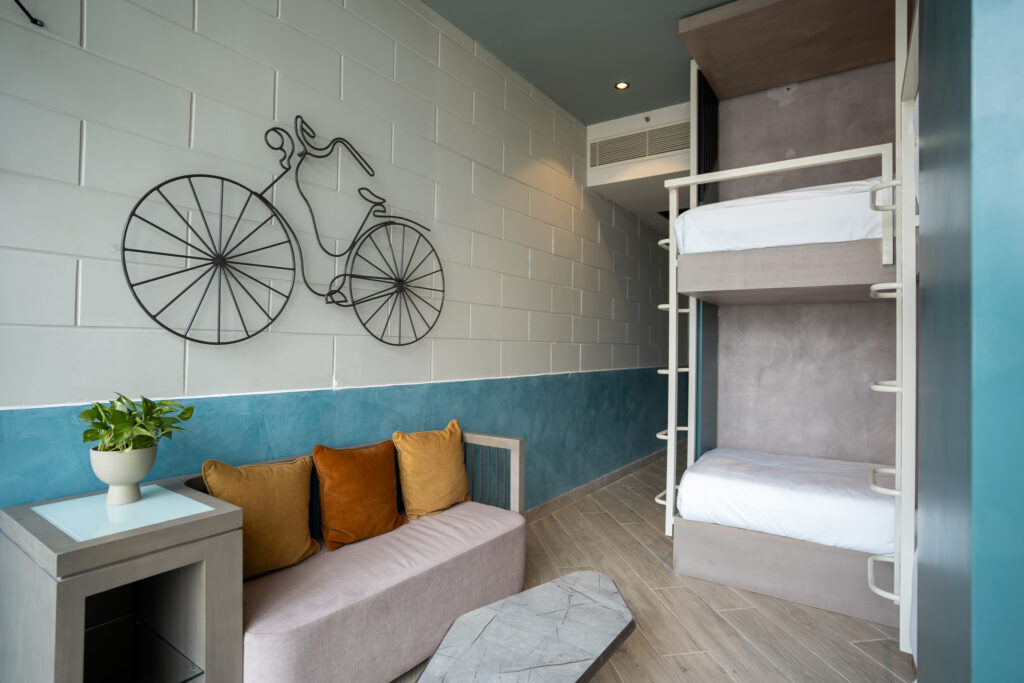
Sesaya has mixed and female-only dormitories in Rajagiriya. Its hostel accommodation in Colombo includes Wi-Fi, communal areas, 24-hour access and several room configurations.
Private Rooms in Colombo
Private rooms give couples, business travellers and longer-stay guests more privacy without the cost structure of a large hotel.
Sesaya’s private rooms in Colombo include en-suite facilities, Wi-Fi and access to the wider property. Check live rates through the poshtel’s booking system rather than relying on prices quoted in older guides.
Hotels and Serviced Apartments
Full-service hotels suit travellers who prefer broad leisure and dining facilities. Serviced apartments may be more practical for families or extended visits.
Sesaya and Colombo’s Poshtel Concept
A poshtel combines elements of a hostel and a design-led hotel. It retains shared accommodation and social spaces while adding private rooms, stronger design standards and facilities suited to modern city travellers.
Sri Lanka’s first poshtel, Sesaya, is located in Rajagiriya. The poshtel brings together dormitories, private rooms, two co-working floors, rooftop dining and a fitness facility.
The concept suits:
- Solo travellers who want a social stay with greater comfort
- Couples looking for well-priced private rooms
- Digital nomads who need dependable work facilities
- Visitors combining sightseeing with remote work
- Guests who prefer accommodation, dining and workspace in one property
Sesaya’s co-working space in Colombo lists high-speed fibre internet with backup lines, meeting areas and day, weekly and monthly access.
Best Day Trips from Colombo
Colombo makes a handy base for day trips, thanks to the southern expressway and the rail network.
- Galle: a walled Dutch fort town on the south coast, about two hours away by expressway.
- Bentota and the southern beaches: golden sand and river safaris, ideal for a relaxed beach day.
- Kandy: the hill-country cultural capital and the Temple of the Tooth, roughly three hours from the city. An overnight stay is usually better for a relaxed exploration.
- Negombo: an easy-going beach town near the airport, handy for your first or last night on the island.
Air-conditioned expressway coaches and private drivers both make these trips simple to arrange for a single day.
What to Know Before Visiting Colombo in 2026
- Visa: Travellers who require an Electronic Travel Authorisation should apply through the official ETA system before arrival. From 25 May 2026, nationals of 40 listed countries became eligible for a free 30-day tourist ETA. Check the rules for your passport.
- Money: Cards are accepted at many hotels and restaurants, but cash remains useful for markets, small shops and transport.
- Mobile data: A local SIM or eSIM helps with maps, ride-hailing and booking confirmations.
- Temple etiquette: Cover shoulders and knees, remove footwear where requested and avoid disrespectful poses near Buddha images.
- Traffic: Group attractions by area and leave extra time for airport transfers.
- Water and health: stick to bottled or filtered water, and pack mosquito repellent.
- Safety: Colombo is generally safe. Take the usual city care after dark, and stick to metered taxis or apps.
- Power sockets: the supply is 230V in Sri Lanka, mostly Type D and G plugs, so bring a travel adapter.
Plan Your Colombo Stay with Sesaya
Colombo is easy to fall for once you slow down and let it show you around. Give it a couple of days at the start or end of your trip, and choose your base according to the sights you want to visit, the facilities you need and how much time you are prepared to spend in traffic.
For dormitories, private rooms, remote-work facilities and rooftop dining in one stylish Rajagiriya property, contact the Sesaya reservations team or book directly through the website.
Frequently Asked Questions
Is Colombo Worth Visiting?
Yes, for a day or two. If you are looking for things to do in Colombo, the city mixes temples, colonial streets, markets and a strong food scene, and it makes a handy base before the coast or hill country
What Is the Best Value Accommodation in Colombo for a Short Trip?
For short trips, Rajagiriya gives you the most for your money. Sesaya has private rooms from around $40 and dorms from $18, plus co-working, on-site dining and quick access to the city centre.
What Are the Best New Accommodation Concepts in Colombo?
Poshtels are a useful hybrid in Colombo for solo travellers and remote workers. They combine dormitories, private rooms, shared areas and design-focused facilities, sometimes with co-working and dining on site. Check out Sesaya for more details.
Is Rajagiriya a Good Area to Stay?
Rajagiriya suits visitors who prefer quieter evenings outside Colombo’s busiest districts. It is particularly practical when the property includes facilities that reduce extra travel.
Do I need a visa to visit Colombo, Sri Lanka?
Most visitors need an online ETA. Since May 2026, 40 nationalities enter free for 30 days, while others pay a small fee. Apply at eta.gov.lk before you travel.
