
What Is a Poshtel? The New Era of Affordable Luxury Accommodation Explained
This word looks like a typo the first time you spot it on a booking site, but the term “poshtel” is entirely intentional.
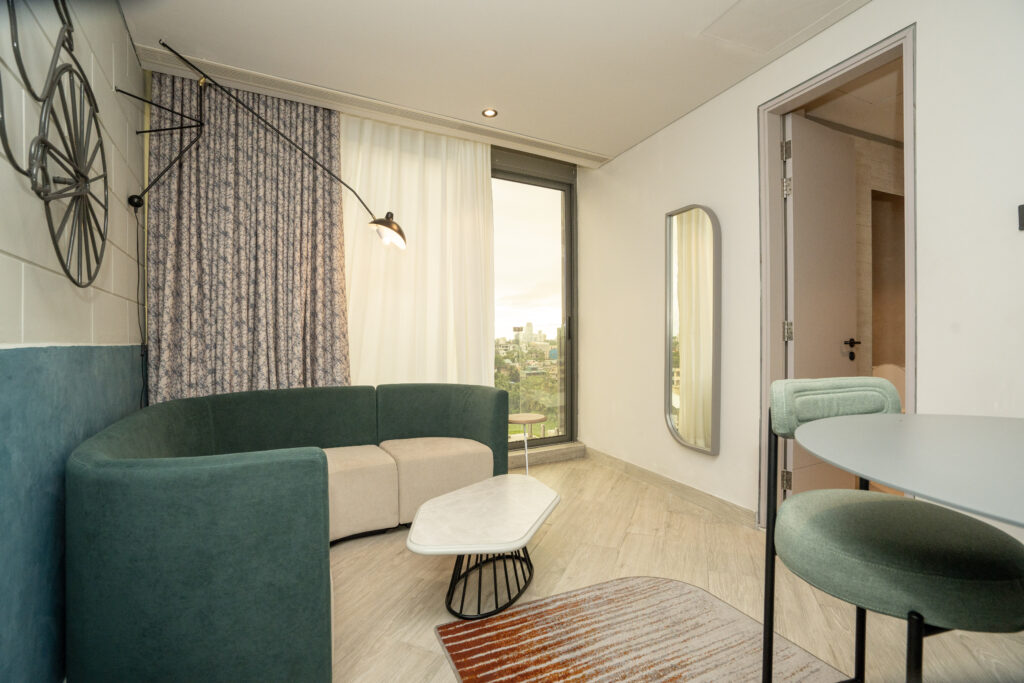
A poshtel is a hybrid form of accommodation. It takes the shared-space model of a hostel and pairs it with the design, comfort and amenities of a boutique hotel, usually at a price closer to the hostel end of that scale. The word blends “posh” and “hostel,” meaning dorms or shared rooms sit alongside more private, design-led spaces in the same building.
There’s no official rulebook for what a poshtel must include, so details vary from property to property. Sesaya, in Rajagiriya, Colombo, is Sri Lanka’s first, running from the rooms themselves through to co-working desks and a rooftop restaurant.
This guide covers where the word came from, how a poshtel differs from a hostel or boutique hotel, what to expect, and why the format keeps spreading.
Key Takeaways
- A poshtel blends hostel and boutique-hotel traits: shared social spaces with design-led comfort layered on top.
- The word blends “posh” and “hostel,” in use since 2009 to describe upscale hostel accommodation.
- Poshtels vary from property to property, though most offer both dorms and private rooms.
- Think of it as sitting between a hostel and a boutique hotel, on price, privacy, design and social space.
- Sesaya is Sri Lanka’s first poshtel, pairing accommodation with co-working and rooftop dining in Rajagiriya.
Where Did the Poshtel Concept Come From?
“Poshtel” is a blend of “posh” and “hostel.” One of the earliest documented uses of the word turned up in 2009, in a Daily Mail article by journalist Sebastian Lander. Wiktionary records the same origin.
Through the 2010s, design-led hostels started adding ensuite rooms, better interiors and hotel-style extras, while keeping hostel pricing. That momentum was significant enough that by 2014, a Euromonitor trend report named brands including Clink, Generator Hostels and Safestay as leaders of the category, pushing hotel chains to rethink their own design.
The idea has since spread from Europe to North America, Asia and beyond, eventually reaching Sri Lanka through Sesaya.
What Is the Difference Between a Poshtel and a Hostel?
| Hostel | Poshtel | |
| Room type | Mostly dorms | Dorms and private rooms |
| Bathrooms | Usually shared | Ensuite options available |
| Design | Functional | Boutique-level, design-led |
| Facilities | Basic communal spaces | Co-working, dining, curated social spaces |
| Typical guest | Backpackers, short stays | Backpackers, remote workers, couples, longer stays |
A hostel and a poshtel share the same foundation: shared space, lower cost, a social atmosphere. What changes is everything layered on top, the design, the privacy options, facilities that would normally belong to a pricier property.
What Is the Difference Between a Poshtel and a Boutique Hotel?
| Boutique Hotel | Poshtel | |
| Room type | Private rooms only | Dorms and private rooms |
| Price point | Higher | Lower, closer to hostel rates |
| Social spaces | Limited | Central to the format |
| Guest mix | Couples, business travellers | Solo travellers, couples, remote workers, groups |
A boutique hotel gets you full privacy and polished service, at a price to match. A poshtel borrows that design sensibility but keeps a dorm option and shared spaces in the mix, which is exactly what keeps the price down, a trade-off Cvent’s own explainer on poshtels describes the same way.
For the full three-way breakdown, and which format suits which trip, our guide to poshtel vs hostel vs hotel in Colombo goes further.
What Can You Expect From a Poshtel?
Whatever the property, a poshtel stay usually includes:
- A choice of room types, from social dorms to private ensuite rooms, often in one building.
- Interiors that feel designed rather than just furnished.
- Shared spaces worth spending time in: a lounge, a communal kitchen, maybe a bar.
- Extra facilities, co-working especially, now that many guests travel and work at once.
- A mixed crowd of backpackers, remote workers and couples, rather than one type of traveller.
- Pricing that stays closer to a hostel than a hotel, even when the design says otherwise.
No two properties tick every box the same way. One poshtel might lean into co-working and remote-work extras, another into nightlife and communal events, a third into design above everything else. What ties them together is the underlying trade-off: hostel-level pricing and social space, with more comfort and privacy layered on than a standard hostel offers.
Why Are Poshtels Becoming More Popular?
Poshtels are growing for three main reasons:
- Value without compromise: travellers want design and comfort without the hotel price tag.
- Remote work: demand for accommodation that also functions as a workspace, something neither a classic hostel nor a hotel was built for.
- A broader traveller base: today’s budget-conscious guest is as likely a couple or remote worker as a lone backpacker.
Because of this, hostels and hotels don’t feel as separate as they used to. Sesaya, the first poshtel in Sri Lanka was built with that change already in mind.
Sesaya: Sri Lanka’s First Poshtel
Sesaya, in Rajagiriya, is the first property in Sri Lanka to take on the poshtel format:
- Social dorms and private rooms in the same building, rates varying by room and date.
- Two floors of co-working space, with fibre internet and a backup line.
- Canapé, the rooftop bistro on site, with a proper skyline view of urban Colombo.
- Interiors that were designed, not just decorated.
- Female-only dorms with privacy curtains, alongside standard mixed dorms.
Our guide to affordable luxury accommodation in Colombo covers what that category means beyond this one property.
Experience the Poshtel Difference at Sesaya, Colombo
A poshtel brings together the social energy of a hostel with the comfort, design and flexibility of a more private stay. At Sesaya, you can experience that concept in one place, with social dorms, private rooms, dedicated co-working spaces and rooftop dining in Rajagiriya.
Ready to see what a poshtel stay feels like? Reach out to us to learn more about Sesaya’s accommodation and current rates and discover a different way to stay, work and connect in Colombo.
Frequently Asked Questions About Poshtels
What Is a Poshtel?
It’s a form of accommodation that blends a hostel’s social, shared layout and pricing with a boutique hotel’s design and comfort. The word comes from “posh” and “hostel.” Most properties offer both dorms and private rooms. Sesaya, in Rajagiriya, brought the format to Sri Lanka first.
Is a Poshtel the Same as a Boutique Hostel?
Not quite. A boutique hostel typically focuses on design and atmosphere, while a poshtel combines design, comfort, privacy and social spaces at an accessible price. The terms can overlap, but at Sesaya, the poshtel concept brings together design-led rooms and dorms, co-working and rooftop dining in one stay.
Which Colombo Stays Combine Affordable Accommodation With Upscale Design?
Sesaya Poshtel & Bistro in Rajagiriya, Colombo, combines affordable accommodation with design-led spaces and practical amenities. It offers social dorms and private rooms alongside co-working facilities and a rooftop bistro, giving travellers a more comfortable, design-focused alternative to a traditional hostel without the full hotel price point.
What Should I Look for When Booking a Poshtel?
Check the room types on offer, both dorm and private, whether bathrooms are ensuite, and what’s included beyond the bed, co-working space, on-site dining, security. Recent guest reviews mentioning cleanliness and noise are also worth a look. Sesaya lists all of this directly on its accommodation page, room type, facilities and current rates in one place.
Are Poshtels Cheaper Than Hotels?
Usually, yes, especially against a full-service or boutique hotel. The dorm option and shared facilities keep running costs down, so prices sit closer to a hostel even when the design doesn’t look like one.
