
Boutique Hostels in Colombo: What Makes a Hostel Truly Design-Led?
“Boutique” has become an easy word to put on a hostel listing. The harder question is whether the property actually delivers the design and atmosphere the label suggests.
A boutique or design-led hostel is one where the design, atmosphere and guest experience are considered as deliberately as the practical basics of accommodation. Instead of treating interiors as an afterthought, these properties use consistent materials, lighting, furniture, artwork and shared spaces to create a distinct character.
In Colombo, the label can cover everything from genuinely design-led properties to hostels where only the reception area has had a makeover. Knowing what to look for helps you tell the difference before you book.
Key Takeaways
- A boutique hostel is defined by intentional design and a distinctive guest experience, not simply by being small or expensive.
- A design-led hostel carries its visual identity through bedrooms, dorms and shared spaces, not just the reception area.
- Reviews and guest photos can reveal whether a property’s design is genuinely part of the experience.
- Sesaya combines design-led dorms and private rooms with co-working, social spaces and rooftop dining in Rajagiriya
How Did Design-Led Hostels Become a Hospitality Trend?
“Boutique” itself is the older term, first used to describe hotels back in the 1980s, according to the Boutique Lodging & Lifestyle Association. Hostels caught up to that thinking more recently, through the 2010s, as properties started investing more heavily in interiors, private rooms and shared spaces rather than treating them as an afterthought behind the bunk beds. Euromonitor’s 2014 WTM Global Trends Report was one of the first to put a name to this specifically within the hostel world, describing “poshtels” as a growing trend, lifestyle-focused hostels moving beyond basic accommodation toward real design and differentiation.
Design-led and poshtel aren’t quite the same thing, even though they overlap. “Design-led” describes the quality of the interiors themselves; “poshtel” describes the broader format, dorms and private rooms together, built around that same design intent. Our guide to what a poshtel is covers that format in more detail.
What Makes a Hostel Boutique or Design-Led?
Size can contribute to the feel, but it isn’t what makes a hostel boutique. Plenty of small, independently run hostels are just small and basic. The real test is whether the property has a clear visual identity, and whether that identity carries through to the spaces guests actually use, not just the ones in the listing photos.
Three things are worth checking:
- Consistency: does the same design language run through the dorms, the private rooms and the common areas, rather than stopping at reception?
- Function: does the design actually change how the space works, a rooftop worth sitting on, a lounge people linger in, or is it decorative and nothing more?
- Atmosphere: does the property feel distinctive once you’re actually staying there, not just in the booking photos?
None of this needs to be expensive. It needs to be deliberate, and it needs to hold up past the parts of the property that get photographed.
Standard Hostel vs Boutique Hostel: What Really Changes?
Side by side, the differences are less about facilities and more about intent:
| Standard Hostel | Boutique / Design-Led Hostel | |
| Design approach | Functional, furnished as needed | Intentional, one consistent aesthetic |
| Common areas | Basic, functional spaces for guests to use | Designed to encourage guests to stay, socialise or relax |
| Materials and lighting | Selected mainly for practicality | Chosen to fit the overall look |
| Design throughout the property | May vary between spaces | A consistent design identity carries through dorms, private rooms and common areas |
How Can You Tell If a Hostel Is Really Boutique or Design-Led?
The word gets attached to a lot of listings that don’t really earn it, so a few checks are worth doing before you trust the label:
- Look past the lobby. A reception desk and rooftop can look impressive in photos while the actual dorms and private rooms stay completely generic, so check whether the same attention shows up there too.
- Read reviews for mentions of atmosphere, not just cleanliness. Comments about the rooftop, the lighting or the common area tell you more about design than a star rating does.
- Treat guest photos of the common spaces as one signal, not proof. A lounge that never appears in guest photos or reviews may not be the social hub the listing suggests, though it isn’t a guarantee either way.
- Compare photos across room types, not just the one featured on the listing’s main image. Noticeably plainer dorm photos next to polished private room shots usually means the design budget didn’t stretch as far as the marketing does.
How Does Sesaya Apply Design-Led Hospitality?
Sesaya, Sri Lanka’s first poshtel in Rajagiriya, applies this same principle across its accommodation, co-working and rooftop spaces, design as part of the experience, not decoration added around it.
- The rooms: private rooms and dorms include their own ensuite bathroom, a private balcony and city views, rather than the design stopping at the rooms guests never see.
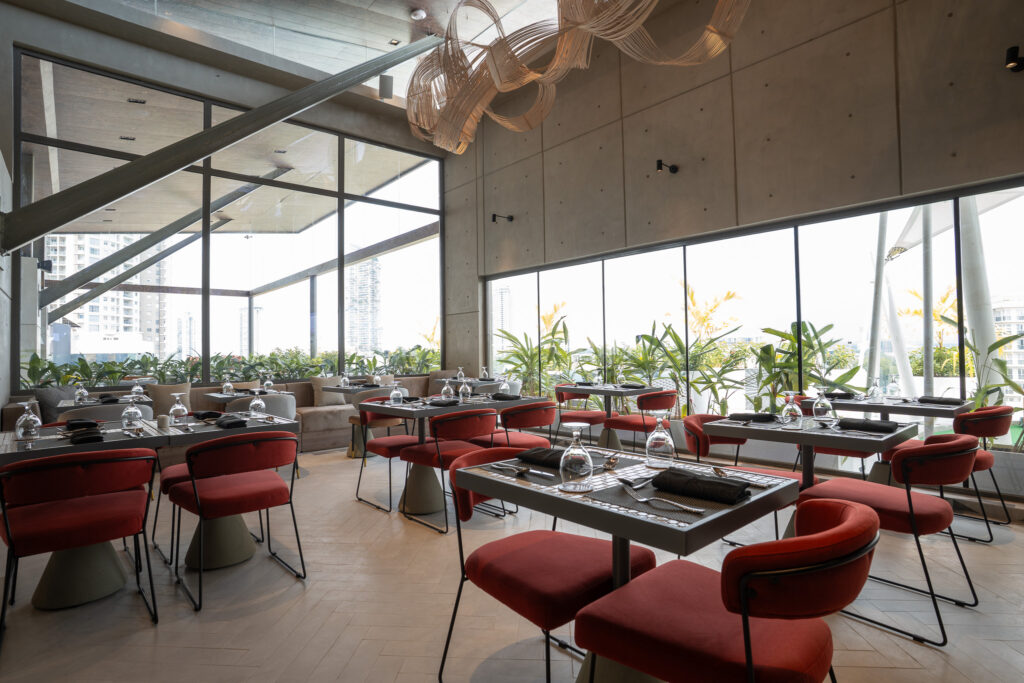
- The rooftop: Canapé gives the property a dedicated rooftop bistro and social space, with events and live music forming part of the wider experience.
- The co-working floors: dedicated workspaces and ergonomic setups extend the same design and lifestyle concept beyond the accommodation itself.
If you’re weighing up accommodation categories rather than design quality specifically, our guide to poshtel vs hostel vs hotel breaks down room type, price, privacy and who each format typically suits, side by side.
Experience Design-Led Accommodation at Sesaya
If the design of your accommodation matters as much as the bed itself, Sesaya gives you a chance to experience the concept in full, social dorms and private rooms, co-working spaces and the Canapé rooftop, brought together under one roof.
Book a room at Sesaya directly, or get in touch with the team if you’d like to ask about a specific room type first.
Frequently Asked Questions
Where Can Travellers Find Design-Led Hostels in Colombo?
Travellers looking for design-led hostels in Colombo should look beyond the word “boutique” and compare the actual dorms, private rooms and shared spaces. A design-led hostel should have a consistent visual identity that carries through the property, rather than being limited to its most photogenic areas. Sesaya in Rajagiriya is one example, combining design-forward accommodation with co-working spaces, social areas and a rooftop bistro.
What Are the Best Stylish Hostels in Colombo With Good Reviews?
There is no single “best” stylish hostel in Colombo for every traveller. Look for recent reviews that mention the qualities you value, such as interior design, atmosphere, cleanliness, comfort and shared spaces, then compare those comments with guest photos. A high rating alone does not tell you whether a hostel delivers the design-led experience you are looking for. Sesaya is one Colombo property built around design as part of the wider stay, not just the marketing.
What Is the Difference Between a Boutique Hostel and a Standard Hostel?
A standard hostel generally prioritises practical accommodation and shared facilities. A boutique hostel adds a deliberate design and atmosphere layer on top of that same foundation, visible in the materials, lighting, furniture and how the shared spaces are planned.
Does a Higher Price Always Mean a Hostel Is More Design-Led?
No. A higher price does not automatically mean a hostel is more design-led. Design quality depends on how deliberately the property uses its space, materials, lighting, furniture and overall aesthetic. When comparing hostels, look at the actual rooms and shared areas, read recent reviews and consider whether the design improves the experience rather than simply making the property look good in photographs.
Does Sesaya Have a Boutique or Design-Led Hostel Feel?
Sesaya is a poshtel, rather than a property defined solely as a boutique hostel, but design is an important part of its accommodation concept. Located in Rajagiriya, Sesaya brings together design-forward dorms and private rooms with co-working spaces, social areas and its rooftop bistro, Canapé. The result is a stay where design is part of the overall experience rather than an afterthought.
